
About Meghan
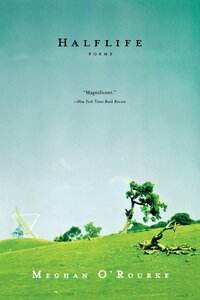
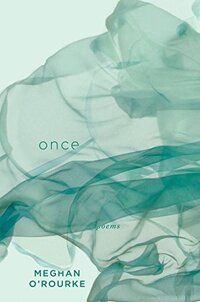
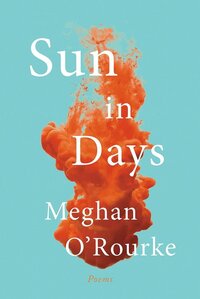
Meghan O'Rourke is the author, most recently, of the New York Times bestseller The Invisible Kingdom: Reimagining Chronic Illness, a finalist for the National Book Award in Nonfiction. Her other books include the best-selling memoir The Long Goodbye and three poetry collections: Sun in Days, named a Top Ten Poetry Book of the Year by the New York Times; Once; and Halflife, a finalist for Britain's Forward Prize for Best First Collection. She has also edited two anthologies, The Story of the Body: Poems of Illness & Recovery and A World Out of Reach: Dispatches from Lockdown, and served as an editor at The New Yorker and as poetry editor at The Paris Review. She has received a Guggenheim Fellowship, a Radcliffe Fellowship from Harvard University, a Whiting Nonfiction Award, a Front Page Award for Cultural Criticism, and two Pushcart Prizes, among other honors. Her essays and poems have appeared in The New Yorker, The Atlantic, The New York Times, and Best American Poetry. She is a professor of creative writing at Yale University and the editor of The Yale Review, which under her leadership has received two National Magazine Awards.
DOWNLOAD PHOTO
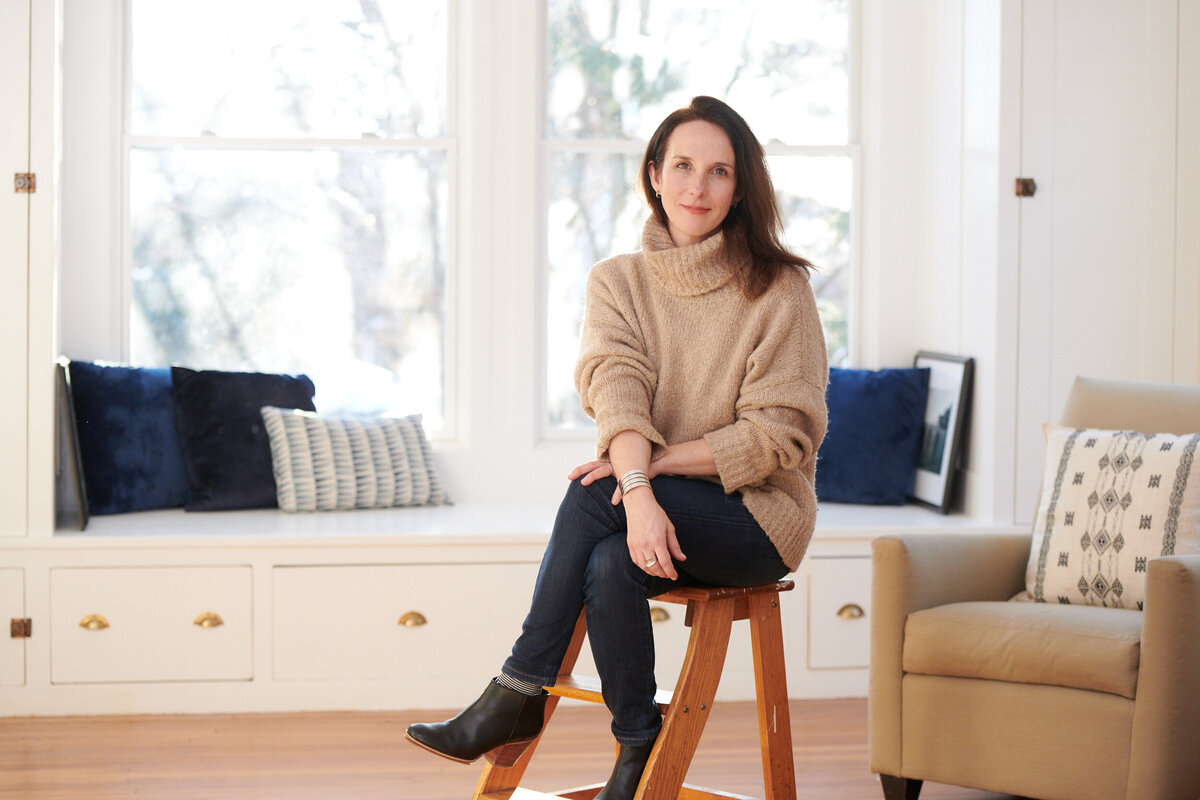
Use this short bio and the downloadable author photo(s) below for event listings or press. Please credit the relevant photographer.

Bio for Meghan o'Rourke

The Invisible Kingdom and The Long Goodbye both came out of this territory, and they are written in hopes of illuminating the lived experiences of loss and sickness so that others will feel less alone, and someday change may come.
I live in New Haven, Connecticut, with my partner Jim and my two young sons. I am the editor of The Yale Review, a literary and cultural quarterly and website. I’m grateful to be the recipient of numerous literary awards, including a Guggenheim Fellowship, a Radcliffe Fellowship, a Lannan Literary Fellowship, and the Union League Prize for Poetry from the Poetry Foundation, as well as being a finalist for the National Book Award in Nonfiction.


I was fortunate enough to be able to keep working during this time. One of my first jobs was as an editor at The New Yorker, where I was lucky to learn the ropes from other talented writers and editors. Following this position, I joined Slate in 2001 as their culture editor and literary critic, launching the Slate Audio Book Club. From there, I joined The Paris Review in 2005 as the magazine's poetry editor.
When my mother died in 2008, I was struck by how taboo grieving still seemed to be. And at this time, my health also worsened. I launched into a years-long quest to understand what was wrong with me, talking to expert researchers and doctors and, most of all, to fellow patients. I learned I was hardly alone. There was a whole realm of sick people whose lives were being turned upside down by “vague” and “subjective” symptoms—and most were being dismissed or told their illnesses were due to anxiety, or were psychosomatic. This didn’t make sense to the reporter in me. And so I began digging in to learning more, and what I learned changed the way I thought about my body, health, and how our health care system might better serve patients and health care workers alike. Today, I live with the ongoing effects of long-untreated tick-borne illness, hypermobile Ehlers-Danlos syndrome, postural orthostatic tachycardia syndrome, and autoimmune thyroiditis.
I grew up in Brooklyn, New York, with my two brothers and our large, rambunctious dogs. My mother and father were teachers. When I was five, my mother gave me a notebook and told me to write down interesting, strange, or troubling things I saw. And so I knew from a young age I wanted to be a writer.
Soon after I graduated from Yale in 1997—and as I was first embarking upon my career as a journalist and teacher—I began experiencing strange physical symptoms, like electric shocks, fatigue, and tremors, which at first came and went…. As I write in my book The Invisible Kingdom, I got sick the way Hemingway says you go broke: “gradually then suddenly.”


More about Meghan
FEATURED IN: